
§ 03 · Scientific thesis
Structurally
disruptive.
A patented composition that defeats resistant bacteria, acts as an effective antiviral, and drives angiogenic tissue repair.
§ Lead
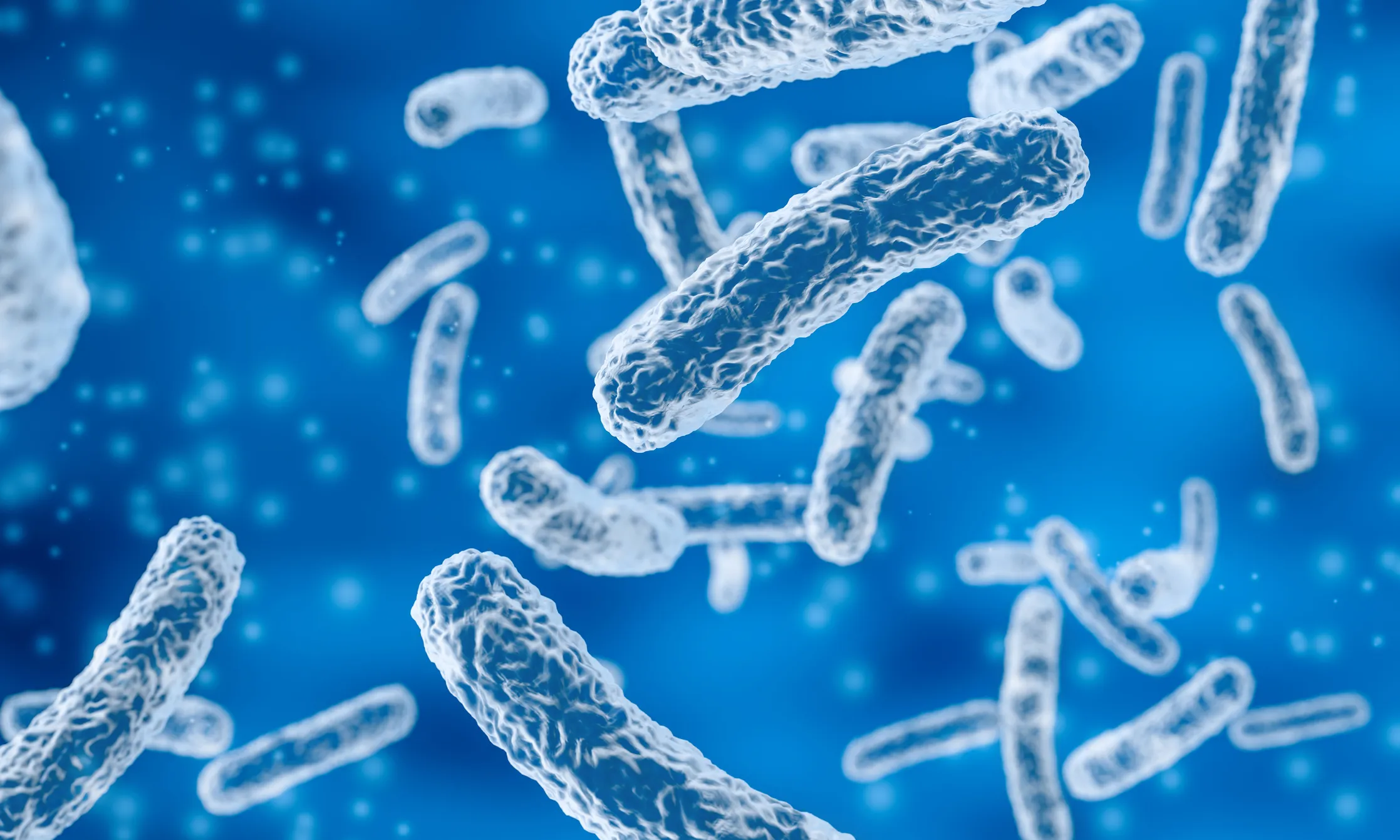
Patented methylglyoxal disrupts the bacterial cell wall through a multi-site mechanism pathogens cannot route around. Across two decades of study, no evolutionary resistance has been observed.
§ 03.1 · Mechanism
A multi-site
attack.
Conventional antibiotics target a single site; bacteria evolve around it. Methylglyoxal disrupts the cell wall through a multi-site compositional mechanism, removing the single point of failure that resistance exploits.
The result is a property without parallel among conventional antibiotics: no evolutionary resistance observed across two decades of independent study.
§ 03.2 · Three modes of action
One engine,
three fronts.
The same composition expresses across three therapeutic fronts, each validated against a distinct target class.
-
Antibacterial
Disrupts the bacterial cell wall through a multi-site mechanism, validated against the WHO list of multi-drug-resistant target pathogens.
-
Antiviral
Acts against enveloped respiratory viruses at the point of entry, neutralizing them before infection takes hold.
-
Angiogenic
Promotes angiogenesis and accelerates tissue repair, supporting the conditions required for regenerative wound-healing.
§ 03.3 · Evidence
Independent,
peer-reviewed,
published.
Independent, peer-reviewed research documents the biological activity of the composition across its three fronts. Medical Grade Manuka, the botanical matrix, carries a continuous history of human use since 1996.
The same constituent is documented as angiogenic: it supports the tissue-level conditions required for healing, not merely symptom control.
§ 03.4 · Next section